
Building Your Website? Start With What Matters
Here’s what actually makes a simple website work.
Do you actually need more than a simple website?
When you’re starting a business, it usually feels like the answer is no.
You just need something straightforward.
A place to send people.
A digital home so you’re not just dropping an Instagram link and hoping for the best.
Totally fair.
But here’s where things start to go sideways:
Your website isn’t just there to hold information.
It’s there to actually do something.
The mistake almost everyone makes
When you don’t have experience building a website, you default to what feels obvious:
You make it about you.
Your background.
Your services.
Everything you offer.
Which—yes. That all belongs there.
But on its own? It doesn’t work.
Because your website isn’t for you.
It’s for the person landing on it thinking:
“Am I in the right place?”
“Is this for me?”
“What do I do next?”
If they have to work to figure that out, they won’t.
Why don’t “simple” websites actually work?
Most people are trying to keep things simple.
Which sounds like:
“I don’t need anything big.”
“I just want something basic.”
But “simple” has a funny way of turning into:
a few sections
kind of vague wording
no real flow
That’s the issue.
It’s not that it’s simple.
It’s that it’s not intentional.
Basically a website that exists… but isn’t doing much else.
You’re still:
explaining everything in DMs
answering the same questions on repeat
carrying the weight your website is supposed to carry
And if it’s not doing anything… what’s the point of having it?
The landing page trap
This is where I hear it a lot: “I think I just need a landing page.”
And I get the instinct.
You don’t want this to turn into a whole thing.
You’re not trying to build the Taj Mahal of websites.
You just want something clean, clear and done.
But here’s the problem:
A single page doesn’t give you much room to:
explain what you do clearly
build real trust
guide someone toward taking action
So instead of simplifying things… it limits you.
Where most people get stuck
You sit down to build your website thinking it’ll be quick… and then you hit a wall.
Because now you’re trying to:
figure out what to say–and how to say it
decide what matters
organize it so it makes sense
All at the same time.
So you either:
stall out
overthink everything
or push something live that technically works… but doesn’t feel right
Not because you’re bad at this.
Because this isn’t just a design project.
It’s a clarity project.
What you actually need instead
At this point, most people land in one of two places:
They keep trying to DIY it…
or they start looking at hiring a web designer and immediately feel like it’s too much.
Too expensive.
Too complicated.
Too far ahead of where they are.
And sometimes? It is.
But here’s the part that gets missed:
You don’t need a massive, custom, over-the-top website to have something that works.
You don’t need more.
You need clearer.
Not bigger.
Not fancier.
Just… clearer.
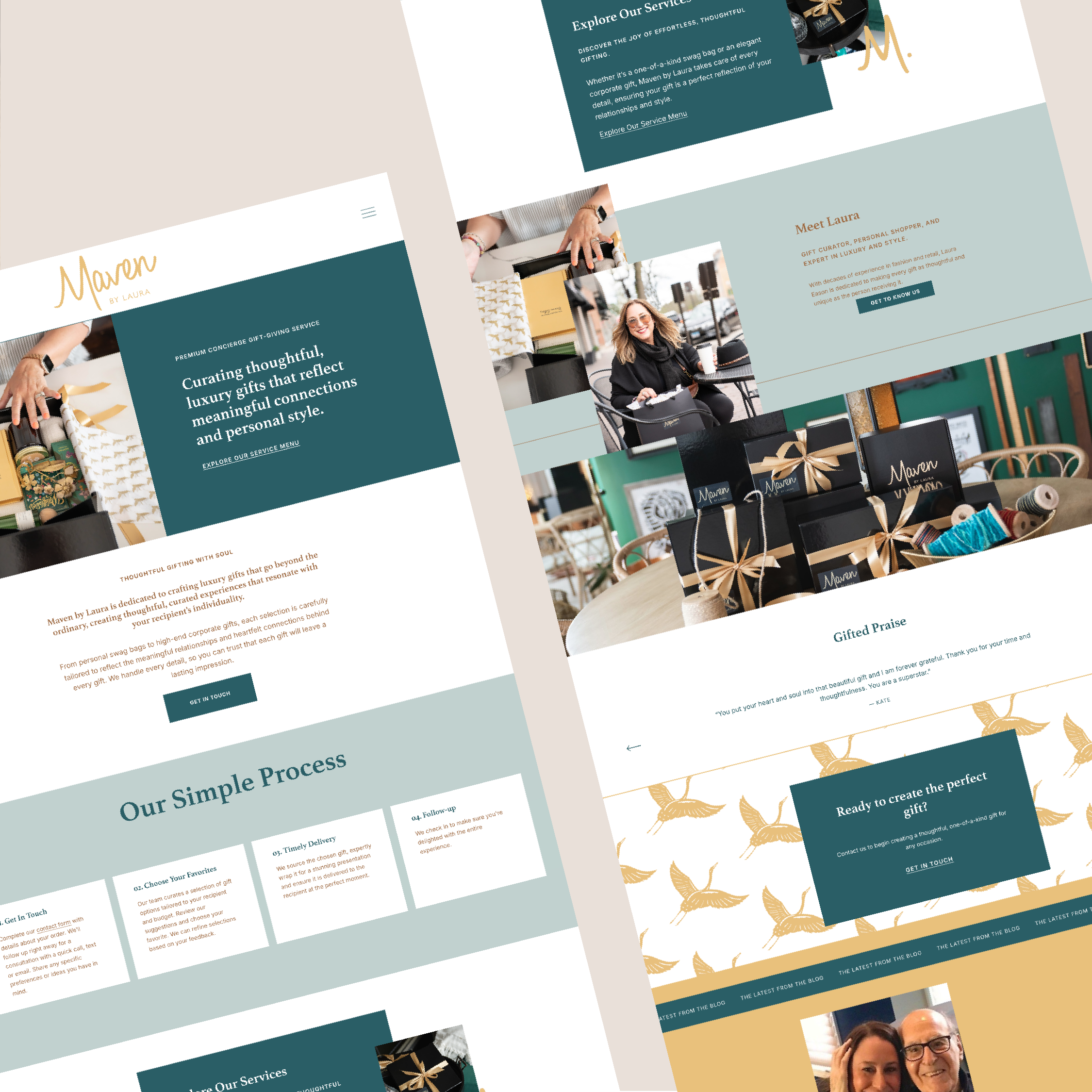

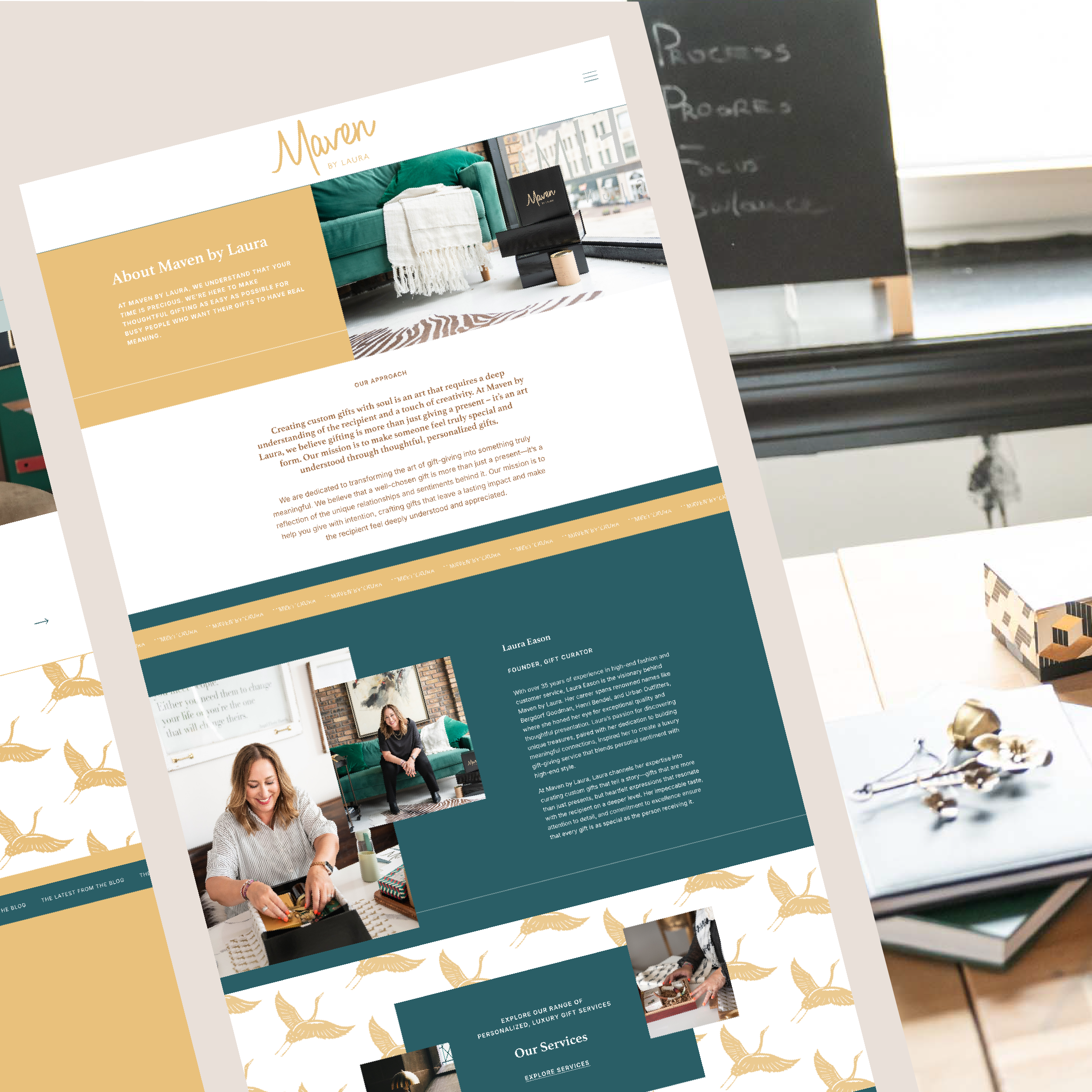
What your website is actually supposed to do
Your website has one job:
Take someone from “hmm interesting” to “okay, I’m in.”
That’s it.
And to do that, it needs to:
Speak to the right person
Make what you do make sense quickly
Show why it matters (to them)
Give them a clear next step
It’s not just information.
It’s direction.
What actually makes a “simple” website work
If you want something simple and effective, this is what matters:
1. Clear messaging
Not vague. Not fluffy.
Clear enough that someone gets it within seconds.
2. A simple, intentional structure
Home, About, Services, Contact.
Simple—but each page has a job.
3. A path through the site
Not just sections stacked together.
A flow that keeps people moving.
4. Content that connects to your client
Yes, it’s about what you do.
But it has to matter to them.
5. A clear call to action
No guessing.
Tell people exactly what to do next.
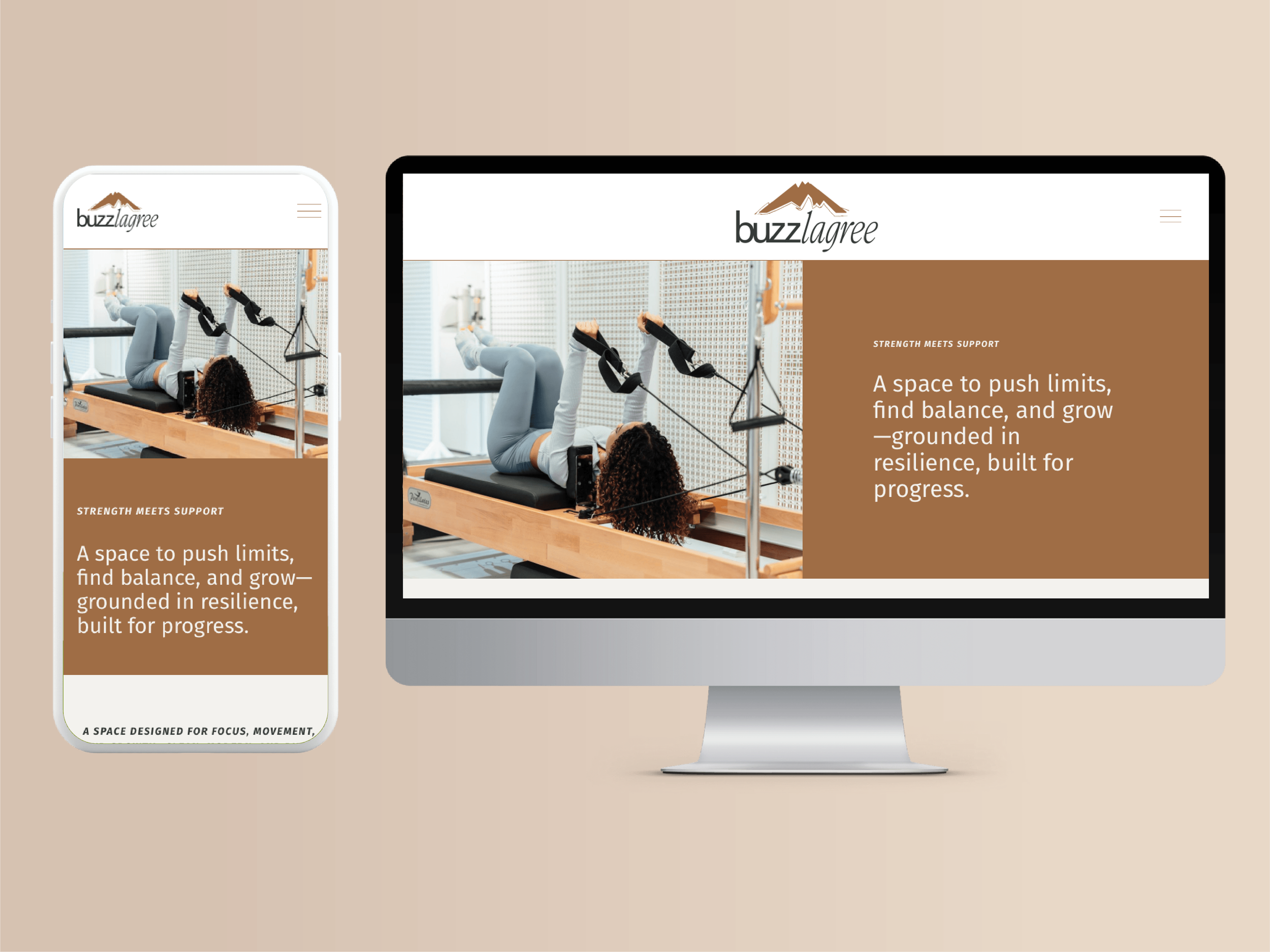
The difference you can feel
When your website is working, you can feel it.
You stop over-explaining.
You share your link without hesitation.
People come in already understanding what you do.
It feels clear.
It feels intentional.
It feels like your business is actually being represented the way it should be.
If your plan is to “just throw something together for now,” it’s worth pausing.
Because your website isn’t just a place to send people.
It’s one of the first real impressions of your business.
And it can either carry that weight for you—or just sit there while you do all the work.
If you’re realizing your website might need more structure than you thought, that’s usually the point where getting support actually makes things easier—not harder.
And if nothing else, hopefully this gives you a clearer idea of what “simple” should actually look like.
Next Steps
You don’t need a massive, custom website.
But you also don’t need to keep piecing something together on your own.
There’s a middle ground—and that’s exactly what I help my clients build.
